

In the cement and mining industries, every decision that affects operating cost can shape long-term profitability. Grinding systems sit right at the heart of production, consuming a large share of total energy and maintenance budgets. That is why the debate around Ball Mill vs. Vertical Roller Mill (VRM): Operating Cost Comparison continues to matter so much for plant managers and investors alike. Choosing the right technology is not just about today’s price tag, but about years of stable, efficient performance.
Understanding how a Ball mill compares with a VRM in terms of energy use, maintenance, and overall lifecycle cost can help operators make smarter investments, especially when working with trusted brands like Cementl that focus on efficiency and reliability in grinding solutions.
Understanding the Ball Mill and VRM in Cement Grinding
A Ball mill has been the traditional workhorse of cement grinding for decades. It uses rotating cylinders filled with steel balls to crush and grind raw materials into fine powder. The design is simple, robust, and proven across thousands of installations worldwide. Many plants still rely on the Ball mill because of its flexibility and ability to handle different feed sizes and materials with consistent results.
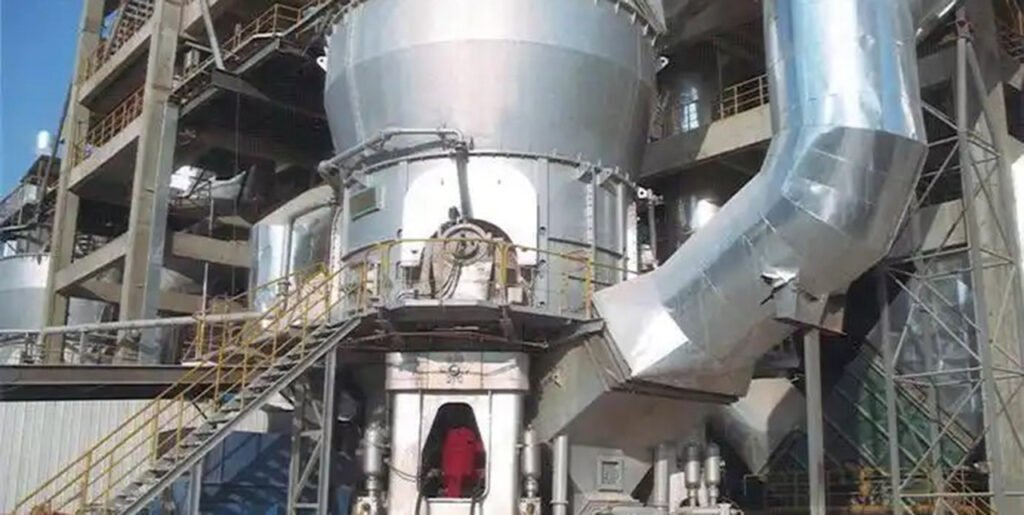
On the other hand, a vertical roller mill uses rollers and a rotating table to grind material through pressure and friction. VRMs are often promoted as modern, energy-saving alternatives, especially for large-scale operations. Both systems can deliver high-quality cement, but their operating costs over time can differ significantly.
Energy Consumption and Power Efficiency
When comparing operating costs, energy use is usually the first factor to consider. A Ball mill generally consumes more electricity per ton of cement produced because it relies on impact grinding, which is less energy-efficient. In many traditional plants, grinding can account for up to 40 percent of total power consumption, making the Ball mill a major cost center.
VRMs, by contrast, are designed to be more energy efficient. They use compression rather than impact, which reduces power demand. In modern installations, VRMs can save between 15 to 30 percent energy compared to a Ball mill, depending on operating conditions and material properties. For plants facing rising electricity prices, this difference can translate into substantial annual savings.
Brands like Cementl have responded to this challenge by optimizing Ball mill designs with improved liners, separators, and drive systems to narrow the efficiency gap and make traditional systems more competitive in today’s energy-conscious market.
Maintenance Cost and Operational Reliability
Maintenance is another major part of operating cost. A Ball mill is mechanically simpler, with fewer moving parts exposed to high pressure. This makes it easier to operate and repair, especially in regions where technical expertise or spare parts availability may be limited. Routine maintenance such as liner replacement and bearing checks is predictable, and many operators appreciate the reliability of a well-maintained Ball mill.
VRMs, while efficient, are more complex. They involve hydraulic systems, rollers, and sophisticated control units that require skilled technicians. Wear parts like rollers and grinding tables can be expensive, and downtime for repairs may be longer. Over time, these factors can offset some of the energy savings, especially in plants that do not have strong maintenance support.
Cementl addresses this issue by offering durable components and service support for both Ball mill and VRM systems, helping operators reduce unplanned shutdowns and keep maintenance costs under control.
Installation and Capital Cost Impact on Operations
Although this comparison focuses on operating cost, capital investment still influences long-term economics. A Ball mill typically has a lower initial cost and simpler civil construction requirements. This makes it attractive for small to medium plants or for upgrades where space and budget are limited.
VRMs usually require higher upfront investment due to their complex structure and advanced control systems. While this cost is not part of daily operation, it affects overall project payback and financial planning. Many operators choose a Ball mill because its lower entry cost aligns better with their production scale and cash flow.
Flexibility and Product Quality in Daily Operation
Flexibility also affects operating efficiency. A Ball mill can handle wide variations in feed material and moisture, making it easier to run under changing quarry or raw material conditions. This reduces stoppages and process adjustments, indirectly lowering operating costs.
VRMs are more sensitive to feed variations and often require stable conditions to perform at their best. When conditions are ideal, they deliver excellent product quality with lower energy use. However, in less controlled environments, operators may find a Ball mill more forgiving and easier to manage.
Which System Offers Better Operating Cost in Practice
In real-world operation, the answer is not always simple. A VRM often wins in pure energy savings, especially in large, modern plants running at full capacity. But a Ball mill can offer lower maintenance complexity, higher availability, and better adaptability, which can balance the cost equation over time.
With improved designs from manufacturers like Cementl, today’s Ball mill systems are more efficient and reliable than ever, making them a strong choice for plants that value stability, ease of operation, and proven performance.
Conclusion: Choosing the Right Grinding Solution for Your Plant
The Ball Mill vs. Vertical Roller Mill (VRM): Operating Cost Comparison shows that there is no universal winner. A Ball mill remains a dependable, flexible, and cost-effective solution for many operations, particularly where simplicity and reliability are priorities. VRMs bring impressive energy efficiency but demand higher technical support and maintenance discipline.
Ultimately, the best choice depends on your plant size, energy prices, raw material conditions, and long-term operational strategy. By working with experienced suppliers like Cementl, operators can evaluate both options carefully and select a grinding system that delivers the lowest true operating cost while ensuring consistent, high-quality cement production for years to come.
Disclaimer:
The information provided in this comparison of Ball Mill vs Vertical Roller Mill (VRM) is for general informational purposes only. While we strive to offer accurate and up-to-date details, the actual performance, energy consumption, and maintenance costs can vary depending on plant conditions, material properties, and operational practices. It is recommended to consult with equipment manufacturers, like Cementl, and conduct a detailed cost analysis based on your specific plant setup before making any investment decisions.
Find this article informative? Click here to read our more informative blogs