

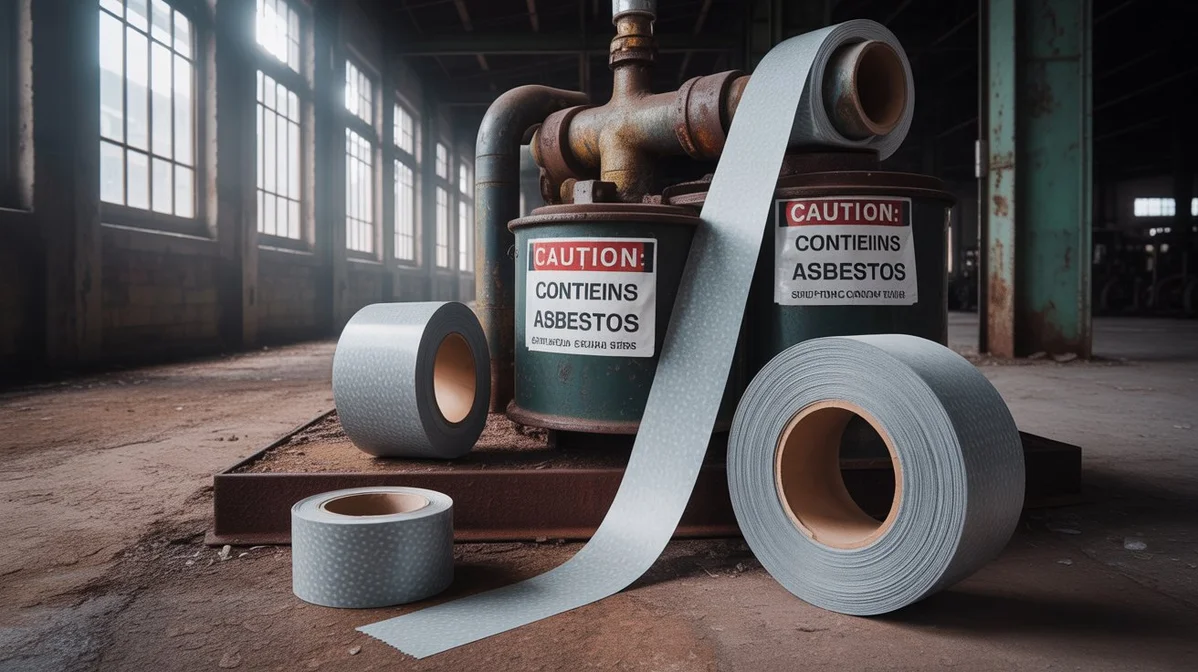
Asbestlint, or asbestos tape, was once the industrial go-to for sealing, insulation, and fireproofing, renowned for its exceptional heat resistance. But, as decades passed, its deadly potential came to light, leaving industries and public health authorities grappling with its toxic impact.
The story of asbestlint goes beyond just a material — it’s a chronicle of innovation gone awry, of human ingenuity meeting the harsh reality of long-term health consequences. What follows is a deeper dive into its origins, applications, and, perhaps most importantly, what it teaches us about industrial responsibility.
What Is Asbestlint (Asbestos Tape)?
At its core, asbestlint is a heat-resistant tape made from asbestos fibers, once heralded as an industrial breakthrough. Asbestos, a naturally occurring mineral, is fibrous and resistant to heat, making it ideal for insulation and sealing.
Asbestlint was primarily used in environments exposed to extreme temperatures, like in construction, automotive manufacturing, and electrical industries, due to its excellent ability to withstand fire and high heat. However, while its properties made it an asset to industries worldwide, the risks associated with asbestos exposure, including respiratory diseases and cancer, eventually led to its decline and eventual ban.
The Origins of Asbestlint: A Philosophical Background
Asbestos has a storied past, dating back thousands of years, with ancient civilizations like the Greeks and Romans using it for its durability and heat-resistant properties. Asbestos fibers were once spun into textiles, embedded into building materials, and used for decorative purposes.
By the 20th century, asbestos revolutionized industries by providing heat-resistant solutions that seemed too good to be true. Asbestlint, a form of asbestos tape, emerged as a highly effective material for sealing pipes, fireproofing electrical wiring, and even in automotive parts. For decades, it was an essential component of industrial innovation, praised for its insulating properties.
Yet, the material’s dangers were not immediately recognized. It wasn’t until the 1960s and 1970s that research linked asbestos to deadly diseases, making it clear that while asbestlint had been a technological boon, it carried with it a severe health threat. This realization would ultimately lead to its regulation and phased-out usage.
Real-World Applications of Asbestlint
While the use of asbestlint has largely ceased, its historical applications shaped numerous sectors:
- Construction: Asbestlint was used to seal pipes and protect joints from heat. It was a key player in preventing fire hazards and insulating high-temperature systems, making buildings safer for years before its dangers were fully understood.
- Automotive Manufacturing: In the automotive industry, asbestlint was used to insulate engine components and prevent heat damage to critical parts. For vehicles that required heat resistance, asbestlint was a material of choice.
- Fireproofing: Asbestlint played a vital role in protecting electrical wiring and junctions from fires. It was often wrapped around wires in commercial and residential buildings to minimize fire risks.
A Comparison: Asbestlint vs. Traditional Materials
While asbestlint was incredibly effective, it wasn’t the only material used for sealing and insulation. Before the advent of asbestlint, materials like cotton, rubber, and even clay were used to insulate and seal. These materials, however, lacked the heat resistance and longevity that asbestos provided. Asbestos tape, when compared to these materials, was unparalleled in its ability to withstand extreme heat without breaking down.
But as the harmful effects of asbestos became more widely known, the industry had to adapt. Today, materials such as fiberglass and ceramic fibers offer similar benefits in terms of heat resistance but with no health risks. The shift from asbestlint to these safer alternatives highlights the progress industries have made in prioritizing safety over convenience.
Handling of Asbestos-containing Materials
For industries dealing with old infrastructure or renovations where asbestlint may still be present, following safety protocols is essential:
- Proper Identification: Make sure that any suspected asbestos-containing material is properly identified. Use professional services to determine if asbestlint is present in older buildings.
- Safety Protocols: Workers dealing with asbestlint should always wear protective equipment such as masks, gloves, and disposable clothing. Proper ventilation and containment procedures must also be in place.
- Alternative Materials: Always opt for modern, non-toxic materials such as fiberglass or ceramic fibers when possible. These alternatives offer the same heat resistance without the harmful effects of asbestos.
Conclusion: From Innovation to Cautionary Tale
Asbestlint’s story is a reminder of the delicate balance between innovation and safety. While it revolutionized industries, its hidden dangers left behind a legacy of health risks that continue to affect many today.
The shift away from asbestlint serves as a valuable lesson — one that encourages industries to prioritize human health and environmental responsibility. As we move forward, the focus must remain on designing materials that not only serve our needs but do so without compromising safety.
FAQs
1. What is asbestlint?
Asbestlint, or asbestos tape, is a heat-resistant material once used in industries like construction and automotive for insulation and fireproofing.
2. Why was asbestlint used?
It was used for its ability to withstand extreme temperatures, preventing fires and heat damage in various industries.
3. What are the risks of asbestlint?
Asbestlint contains asbestos fibers, which can cause deadly diseases like lung cancer and asbestosis when inhaled.
4. Is asbestlint still used today?
No, asbestlint has been replaced by safer alternatives due to the health risks associated with asbestos exposure
5. What are the alternatives to asbestlint?
Fiberglass, ceramic fibers, and mineral wool are commonly used as non-toxic alternatives to asbestlint.